blog Archives - Lumin Multipurpose Sanitiser

Top 5 Questions to Ask Before Buying a CPAP Sanitiser

If you rely on CPAP therapy for better sleep and improved health, it is just as important to keep your equipment clean and hygienic as it is to use it properly. Due to everyday moisture and airflow exposure to CPAP accessories, there is a higher risk of growing bacteria, mold, and viruses if not properly maintained. Due to this, many people find it useful to invest in a CPAP Sanitiser to make their cleaning more manageable.

However, before you decide to buy a CPAP sanitising device, there are some essential questions you need to ask yourself. There is a vast number of different devices, and knowing which one will best suit your needs will prevent you from wasting time, money, or frustration. Here are the top five questions to ask before you purchase a CPAP sanitising device.

1. What Exactly Does It Clean and What Doesn’t It?

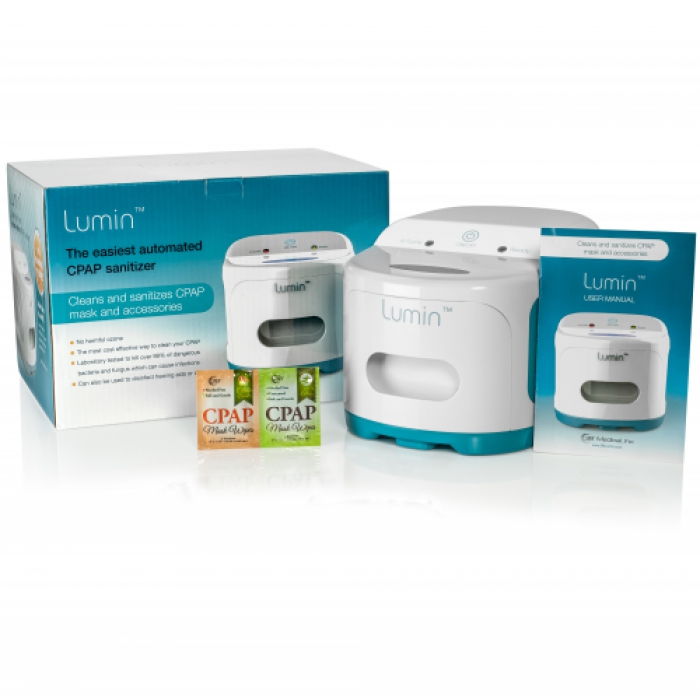
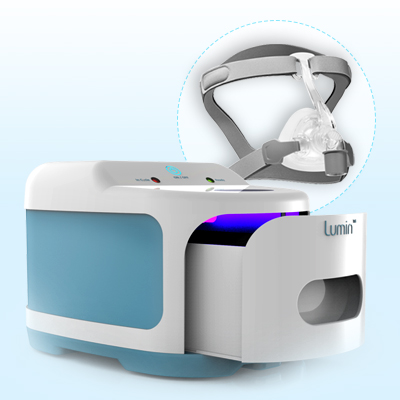
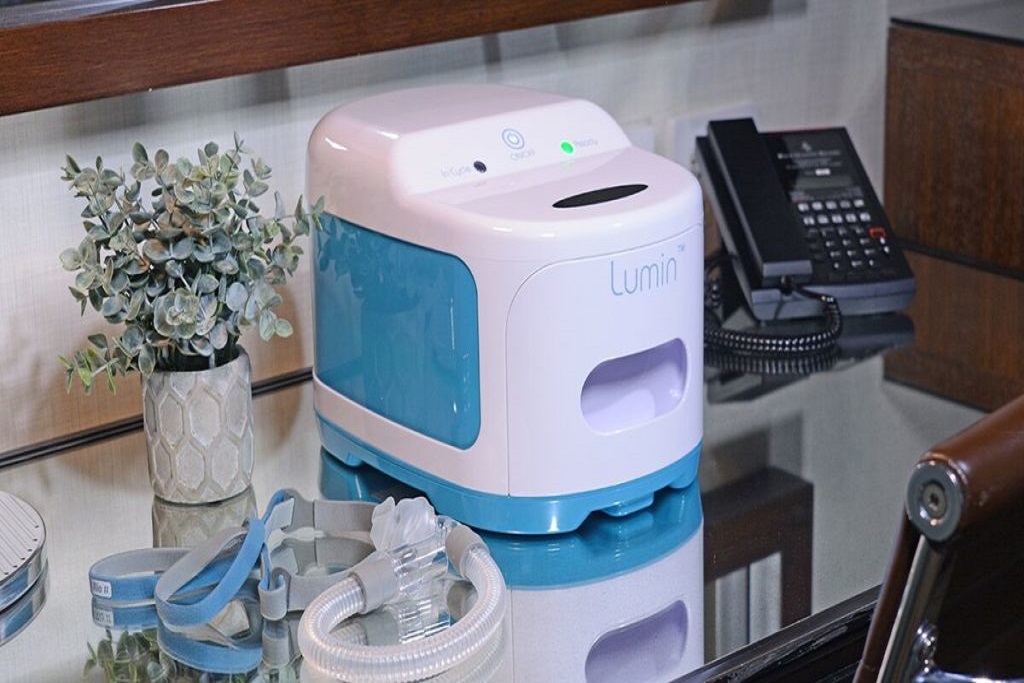
How will you clean? That is the very first and most important question. Whether you’ll choose a traditional way of cleaning or an advanced device, like Lumin Multipurpose Sanitiser. It is a compact, convenient sanitiser for disinfecting CPAP accessories.  It has an integrated tray for easy access. Simply lay your CPAP accessories in the tray for easy sanitation. It’s perfect for:

  • CPAP Masks 
  • Tubing / Hoses
  • Humidifier Chambers

Thanks to its one touch 5-minute process, everything in the tray will be completely sanitised. So, you can consider it for daily cleaning just before going to bed.  

2. What Technology Does It Use?

The different cleaning devices use distinct technologies. Understanding how your cleaning device operates may impact your choices. Many modern units today are using UV sanitiser systems, which utilise ultraviolet light to kill harmful bacteria and viruses, without exposing items to water or chemicals.

UV-based cleaners are popular because they:

  • Avoid strong chemical residues or odours
  • Don’t need extra cleaning solutions
  • Operate quickly
  • Time-saving

CPAP users who want a completely dry, stress-free process should choose UV sanitising because it provides them with an efficient and easy solution. The device needs to have CPAP accessory compatibility while cleaning other personal use items, like wallets, car keys, cards, and more.

3. How Long Does the Cleaning Cycle Take?

Time matters because you need to use CPAP therapy during your nightly sleep schedule. Some sanitising devices need 30 minutes or more to complete each cycle, while other devices require only a few minutes. 

The system that provides you with the most convenience should be the one that matches your personal schedule. The Lumin Multipurpose Sanitiser needs only 5 minutes to finish its cleaning process with its one-touch button. You can clean your mask, hose, and humidifier chamber right before you sleep without any interruptions to your normal activities.

The solution provides value to professionals who work long hours, avid travellers, and others who do not want to spend hours cleaning their equipment before using it. Your accessories will be available to you at the right moment because of the quick cycle process.

4. Is It Approved and Suitable for Australian Users?

Before purchasing, consider whether the device is suitable for your region. Searching for a reliable cpap cleaner australia will often lead you to models specifically distributed and supported locally.

The device needs to be assessed for its regional suitability before making your purchasing decision. The search for a trusted CPAP cleaner Australia will direct you to products that local vendors distribute and support. Australian suppliers provide customers with several benefits, which include the following advantages:

  • Easier customer support access
  • Local warranty coverage
  • Faster shipping
  • Compliance with Australian electrical standards

Even a manufacturer needs to provide product users with complete instructions, safety details, and all available customer support options. Customers who buy products from local stores experience better peace of mind and superior customer service after making their purchase.

5. How Does It Compare to Manual Cleaning?

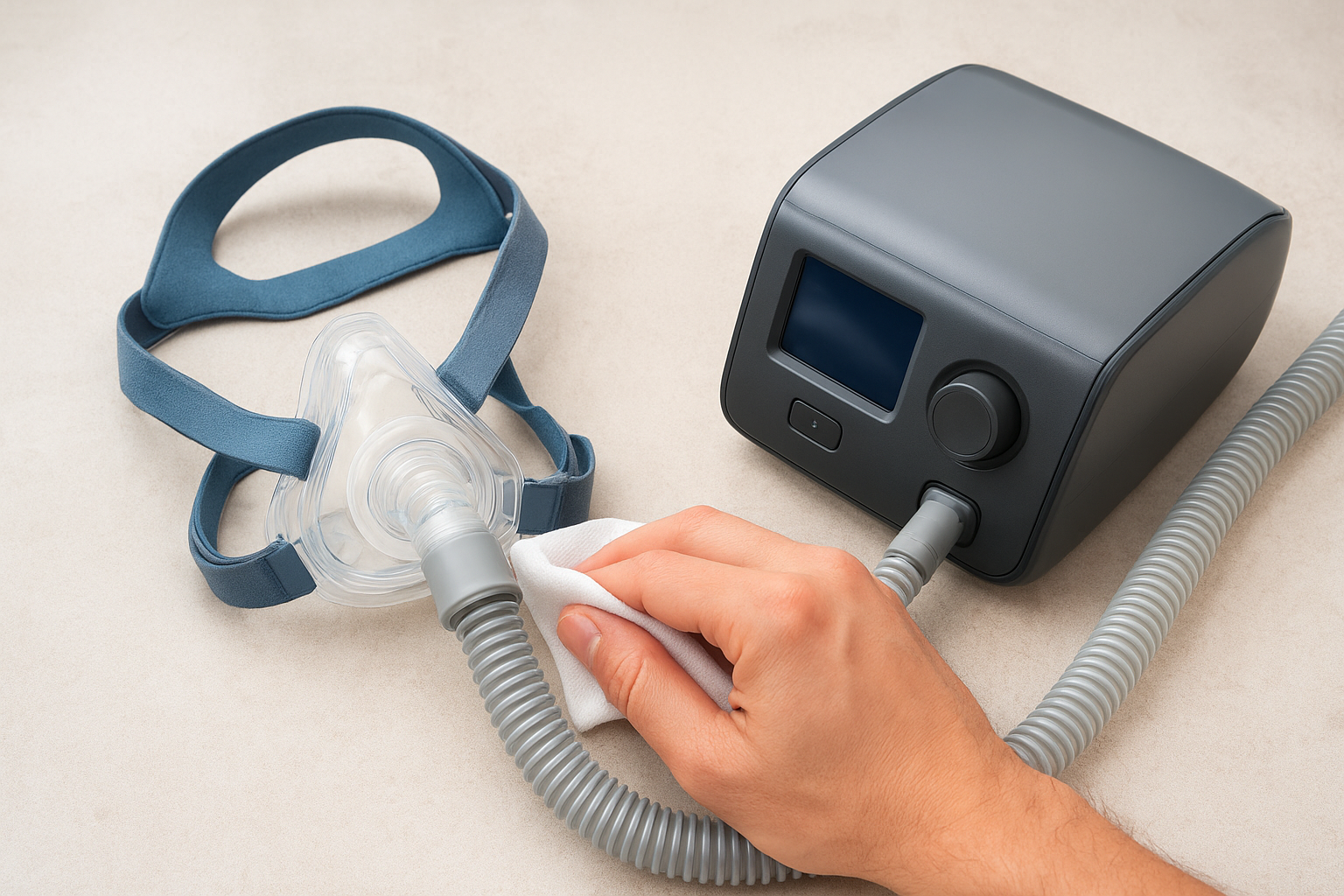
Traditional methods for cleaning CPAPs generally require accessories to be washed using mild soap and warm water, followed by thorough air drying. But it can take time and be inconsistent at times.

A CPAP cleaning machine automates the entire cleaning process for rapid sanitising with minimal effort. However, it should be noted that the majority of cleaning machines are not meant to fully replace manual cleaning but rather to assist with it. Any visible soil and/or debris must be cleaned off before sanitising with any type of automatic cleaning system.

Consider the following questions as you evaluate each option:

  • Am I trying to reduce daily cleaning time?
  • Am I concerned about hidden bacteria in folds and creases?
  • Will automated cleaning increase my compliance?

Most people who use a dedicated CPAP machine cleaner improve their everyday hygiene habits with ease.  

Bonus Consideration: Size and Storage

Many users often have limited storage and bedside areas to store a CPAP machine. So, a bulky device is not practical for a small bedroom or for those who travel frequently.  

That’s why they choose compact machines for convenience and flexibility. For instance, Lumin MultiPurpose Sanitiser is a great choice as it’s easy to use and fits on a bedside table or shelf due to its compact size.  You only have to put items into the sanitizer’s tray and push a button. Integrating it into your nightly routine won’t create any mess for you.

If you want to use a CPAP machine while travelling or are trying to live a minimalist lifestyle, you should consider size as a factor for your evaluation criteria. 

Final Thoughts

Selecting a suitable sanitising option does not only provide you with convenience; it also protects your health and extends the life of your CPAP accessories. Therefore, you should ask yourself questions, such as “Do I need portability when choosing a sanitizing option?” before buying. Hence, you can make a well-informed decision.  

A right CPAP sanitiser can simplify the maintenance of your CPAP accessories while avoiding harmful bacteria and other pathogens. Regardless of which type of compact sanitising unit (like Lumin Sanitiser or any other option) you choose, it’s better to understand your priorities. This way, you can invest in the right device for long-term hygiene and comfort. 

UVC vs Chemical Cleaners: Which Is Safer for Your Family?

Home hygiene has become more important today than ever before. From kitchen surfaces and everyday items to personal medical devices, families are becoming more conscious of cleaning habits and what products they use for cleaning. Traditionally, most people used chemical disinfectants as their primary source. However, UVC light technology is rapidly gaining popularity as a safer alternative.  

But when trying to protect your loved ones’ health, especially for sensitive devices, like a CPAP machine, which of the two options is better? Let’s find out.

Understanding Chemical Cleaners

Chemical disinfectants use certain active ingredients, like alcohol, bleach, or quaternary ammonium compounds, to eliminate microbial pathogens such as viruses, bacteria, and fungi. Disinfectants are accessible, inexpensive, and familiar products.

However, there are the following issues with the use of chemical disinfectants:

  • Chemical residues can remain on surfaces after cleaning.
  • Frequent exposure can cause skin sensitivity.
  • Disinfectants may irritate the lungs and cause asthma symptoms through strong odours.
  • Misusing disinfectants can cause harmful reactions.

Chemical disinfectants can effectively clean general household surfaces when used correctly. However, most families today prefer to use less harmful alternatives for cleaning items that come into direct contact with the face and respiratory systems (for example: CPAP masks and tubing).

What Is UVC Sanitisation?

Ultraviolet C (UVC) technology uses ultraviolet light at a particular wavelength to kill micro-organisms on a molecular level. Instead of using liquids or sprays to disinfect, UVC kills germs by exposing them to light without leaving behind a residue.

A UV sanitiser disrupts the DNA structure of bacteria, viruses, and fungi, thus preventing bacteria from reproducing. A UVC sanitiser leaves no chemical byproduct, so there are NO:

  • lingering odours,
  • harmful leftover chemicals,
  • added moisture,
  • risk of inhaling cleaning fumes.

Families with young children, elderly people, or those who use CPAP devices will have peace of mind with this type of chemical-free sanitizing method.

Why Cleaning CPAP Equipment Requires Extra Care

CPAP therapy relies on clean equipment because it provides them with safe breathing all night long. The masks and hoses, along with the humidifier chambers, create a situation where moisture accumulates, which becomes an ideal breeding ground for bacteria.

People continue to use soap and water together with chemical wipes for their cleaning. These methods succeed in removing surface dirt, but they fail to achieve complete disinfection of tiny germs. The remaining chemical residues in the air can be breathing during sleep.

That’s why a specialised CPAP cleaning machine is in high demand among homes focused on maintaining a patient’s respiratory health.

UVC vs Chemical Cleaners for CPAP Users

When examining the advantages of UVC technology with chemical solutions for CPAP cleaning, consider these factors:  

  1. Respiratory Safety

Because CPAP users are directly breathing air through a mask, avoiding chemicals is key, as it could cause harm to the respiratory system. A UVC system eliminates this concern.

  1. Residue-Free Protection

Chemical cleaners can leave behind invisible residues, which can build up in the tubing. UVC sanitisation leaves nothing on/in your CPAP; just pure/clean equipment ready for use.

  1. Convenience

Some cleaning methods require rinsing, drying, and waiting. Modern UVC devices clean your CPAP very quickly and with little effort on your part.

  1. Consistency

Manual cleaning of your CPAP can miss areas that have folds and creases in the mask and tubing. But UVC light penetrates and cleans all areas evenly inside the chamber of a UVC sanitiser.

For families looking for a reliable CPAP cleaner Australia, Lumin Multipurpose Sanitiser is a preferred solution due to the aforementioned safety benefits.

Advanced Lumin Multipurpose Sanitiser

When considering UVC equipment, it’s vital to choose devices specifically curated for personal healthcare accessories, like the Lumin multipurpose sanitiser. It is a compact device for sanitising not only your personal belongings, like cards, keys, wallets, etc., but also to sanitise CPAP accessories.

The Lumin Sanitiser comes with an accessible tray to place daily use items or CPAP accessories for disinfection. The following items can be sanitised with it:

  • CPAP Tubing / Hoses
  • Humidifier Chambers
  • Oral appliances
  • Small personal care items

The system achieves complete sanitisation for all tray contents through its single button operation, which requires only five minutes. Users can perform sanitisation activities right before sleep because the process requires no rinsing, no drying, and leaves no chemical residues or odours.

Lumin provides users with a fast sanitisation that leaves no remaining material because it operates through UVC light instead of using liquids or ozone to disinfect essential respiratory equipment used during sleep.

Is UVC Truly Safer for Your Family?

Safety depends on how you use a specific method. Chemical cleanes may be effective on large surfaces if carefully used. But repetitive use of harsh chemicals in enclosed settings can pose significant long-term health hazards.

UVC sanitisation is a great alternative to chemical disinfectants, as it provides the following benefits:

  • Reduces chemical inhalation
  • Eliminates surface residue
  • Reduced skin irritation
  • Reduced the growth of moisture-related mould

For families with children and those with individuals using sleep apnea machines, avoiding chemical exposure is a priority.  

When comparing traditional CPAP machine cleaners that utilise chemical methods or ozone versus UVC light-based cleaners such as Lumin, many families prefer UVC Light Cleaners for their simplicity and chemical-free nature.

Final Verdict: Which Is Safer?

If you want to sanitise personal use items, including CPAP accessories, deeply without any chemical exposure, UVC technology provides you a safe advantage. It is also important for CPAP users to protect their airways from chemical residue and germs. The compact Lumin Multipurpose Sanitiser provides an extremely efficient cleaning solution with a quick, practical, and residue-free solution for daily use.

How to Get the Most Out of Your CPAP Treatment with Regular Equipment Maintenance

Continuous Positive Airway Pressure (CPAP) therapy is a life-changing treatment for patients suffering from sleep apnea. This sleep therapy machine offers numerous benefits, including improvement of sleep quality. It further means one gets to wake up feeling energised and stay active all day long. However, patients need to maintain constant CPAP therapy for effective results. 

But if a device is not cleaned properly after use, it may lead to bacteria build-up and odour that could possibly cause certain respiratory issues, like irritation in the airways, throat infection, etc. However, these issues are easy to avoid with proper maintenance and cleaning of a CPAP device.

Significance of Proper CPAP Maintenance

Since a CPAP machine works every night, constantly delivering air into your lungs, it tends to collect condensation and moisture with time. The tubing, mask, and humidifier chamber are all in direct contact with one’s exhalations. With moisture build up, there are more chances of growing mould, bacteria, and other unwanted microorganisms.

Over time, these pollutants adversely impact your machine, as well as your well-being. Even minimal residue or build-up within the tubing will hinder airflow or change pressure delivery. Keeping your equipment clean guarantees that the CPAP treatment you depend on works at its best, night after night.

CPAP Hygiene: Cleaning Your Accessories Every Day

One of the most significant aspects of keeping CPAP compliance is taking good care of your equipment. Cleaning your CPAP machine and accessories might appear to be an easy job, but it takes regularity. There is a combination of day-to-day, weekly, and monthly cleaning procedures suggested by manufacturers for the different parts of the CPAP system.

Ideally, cleaning would be in the morning following therapy, not at bedtime. This allows all components to air dry completely before reuse. Here’s a nutshell guide to hygiene in the traditional sense:

  • Every day: Clean your mask cushion with a wipe and soap water the humidifier chamber.
  • Every week: Clean the tubing, humidifier chamber, and mask with mild soap in a bit more detail.
  • Monthly: Check filters and replace or clean them accordingly.

Although this routine keeps your CPAP in good condition, most users find it so time-consuming and tedious. The good news is, there’s now a simpler, more efficient way to look after your CPAP hygiene, using UVC Sanitisation.

Streamlining CPAP Cleaning with UVC Sanitisation

Classic cleaning techniques involve soap and water, but these may not penetrate deep creases or folds in your mask or tubing.  That’s when you need advanced UVC sanitisation that helps in killing around 99% pathogens by destroying their DNA.

Unlike harsh chemical-loaded products, UVC light sanitiser is a safe, effective, and residue-free solution for the sanitisation of CPAP accessories. It helps in disinfecting various CPAP accessories without any soap or water, so no long drying hours are required. Plus, the lack of any corrosive elements ensures your accessories remain in their best condition for longer. This device also produces and doesn’t use ozone or chemicals; it just utilizes light to execute strong sterilisation within minutes.

Lumin CPAP Sanitiser

If you’ve ever dreaded the thought of cleaning your CPAP tubing and mask following a long night, you’ll adore how easy the Lumin CPAP Sanitiser does it. Rather than scrubbing, rinsing, and waiting for things to dry, now you can sanitise everything at the press of a button.

With its 5-minute sanitising one-touch process, Lumin makes CPAP care fast, easy, and hassle-free. Just place your CPAP accessories, like…

  •         Masks (even creases and folds are sanitised)
  •         Tubing / Hoses
  •         Humidifier Chambers

.. into the tray. After that, close the lid, turn on the device, and let it sanitise your item completely. It’s so easy to use that you can sanitise your gear even before bedtime.


Lumin CPAP Sanitiser benefitsHow can the side effects of CPAP machines be managed


Other Benefits Beyond CPAP

While the Lumin Sanitiser is great for sanitising CPAP accessories, its application does not end there. The same UVC technology can also be used for those items we use on a daily basis that come into contact with our face or hands. Consider items such as smartphones, keys, or even your toothbrush head.

In doing so, gadgets such as the Lumin can also serve as a UV phone sanitiser of sorts, providing you with that extra defense against nasty microbes that reside on high-touch surfaces.

Why Use a CPAP Cleaning Machine

With a CPAP cleaning machine such as the Lumin, you get the best of both worlds, intense sanitising and unparalleled convenience. It removes human error out of manual cleaning and sees that all areas of your equipment are effectively disinfected each time.

By incorporating UVC Sanitisation into your morning and night routines, you save time and keep your equipment safe and in good working order. The Lumin CPAP Sanitiser is more than just a cleaning device; it is an entire hygiene system that enables you to enjoy the full benefit of your CPAP therapy without the hassle of cleaning upkeep.

Conclusion

You should engage in CPAP therapy with all the confidence in the world, knowing that all components of your gear are clean and well-loved. Consistency is critical to CPAP therapy; but convenience leads to consistency. 

With CPAP sanitising, like the advanced Lumin CPAP Sanitiser, sanitising becomes simple, straightforward, and easy. What used to be a daily effort is now part of a five-minute process that enables full sanitisation and functions to meet your needs. So, if you’re ready to optimize the value of your CPAP therapy, and sleep better at night, just get on-board with smarter maintenance powered by UVC light.

Breathe better. Sleep deeper. Stay cleaner, with Lumin.

Why UVC Light is the Future of Safe and Effective Sanitisation

In a time when safety and hygiene are the focus of everyone, it’s ever more important to search for trusted methods of keeping the environment germ-free. In homes, healthcare facilities, and everywhere in between, there is a need to be able to disinfect effectively. This has led to the development of advanced sanitisation technologies. Amongst them, UVC Sanitisation has been one of the most potent and scientific approaches to removing harmful microorganisms without the aid of chemicals.

Unlike standard cleaning alternatives, like a spray, wipe, or liquid disinfectant, UVC light has a completely different mechanism. It is based on a cold energy light transmission, as it leverages the energy of ultraviolet light to terminate the DNA and RNA within bacteria, viruses, and fungi. This makes it an extremely powerful and efficient approach to disinfecting in both private and public environments.

Let us look at why UVC light is heralded as the future sanitisation, and how it works. Plus, we’ll discuss why devices, like the Lumin Multipurpose Sanitiser, are quickly becoming staples in homes and healthcare facilities.

The Science Behind UVC Sanitisation

UVC light is a form of ultraviolet light and represents wavelengths between 200–280 nanometers (nm). It is lethal to microorganisms. When bacteria and viruses are exposed to UVC light, their cellular genetic material (DNA or RNA) captures the energy from the light. It further creates a molecular destruction that prevents them from being able to replicate or infect.

Lumin multipurpose santitiser leverages specialised UVC light technology with the strong wavelength of 254 nm. This same wavelength is utilised in hospitals to keep rooms sterilised for patients, as well as treatment operations. This wavelength can conveniently destroy a large range of microorganisms, such as fungi, bacteria, mould, and viruses.

Since this UVC technology is free from the use of harmful chemicals and doesn’t need heat or moisture for operation. So, it’s great for cleaning personal items (like smartphones, car keys, etc.) and medical-grade products (including CPAP masks) as well.

Lumin: Empowering the Future of Intelligent Sanitisation

The Lumin Multipurpose Sanitiser demonstrates how efficient UVC technology can be put into practice on a daily basis. Designed to decontaminate homes, workplaces, and health facilities, it provides a medical-grade level of sterilisation in a compact and easy-to-use device.

Lumin’s intense UVC light source works at 254 nm, the best range for destroying dangerous microorganisms. In five minutes, it sanitises personal and healthcare items, without any chemicals or water. Its convenience makes it a perfect choice for individuals who wish for hospital-grade cleanliness in their homes.

It is also intended for cleaning CPAP masks and accessories and other accessories. The users can use it for sanitising items ranging from baby pacifiers, mobile phones, hearing aids, to even beauty tools. All these tools/devices can harbor destructive pathogens undetectable to the human eye. But Lumin eradicates all germs within a few minutes.


Best lumin AustraliaUV Phone Sanitiser


From Hospitals to Homes: Broadening the Spectrum of UVC

For decades, UVC light has been employed within medical environments, from operating rooms to laboratory cleanrooms, due to its well-documented germicidal capabilities. What’s different is its availability. New technology enables the same hospital-grade sanitisation to be brought into compact, budget-friendly devices for mass consumer use.

For instance, a UV phone sanitiser can be used to eradicate germs from our smartphones, especially in healthcare settings. This way, we can prevent germs transfer from our hands to our phone, which we use from the time we wake up till we fall asleep.

Likewise, technologies such as the Lumin Multipurpose Sanitiser bring this technology to an assortment of personal and medical products, providing reassurance in an age where hygiene cannot be sacrificed.

Accompanying Medical Equipment and Healthcare

In medicine, sterile equipment must be kept. One region in which UVC sanitisation has held out great potential is the upkeep of cleanliness on continuous positive airway pressure (CPAP) machines for those with sleep apnea.

Thanks to the Lumin CPAP cleaning machine, it’s convenient to keep CPAP accessories germ-free. From masks to tubing and humidifying chambers, UVC sanitisation removes the necessity for strong chemicals or immersion processes that harm CPAP devices in the long term. Users can instead use secure, dry, and reliable disinfection, all within a couple of minutes. This way, patients can receive cleaner air without any contamination. It is imperative for preventing various respiratory health conditions.

The Eco-Friendly Edge

Apart from being effective, UVC sanitisation is also green. It does away with disposable wipes, cleaning solutions, and single-use disinfectant products, thus cutting down on chemical waste and packaging pollution. It requires very little energy to consume and does not have toxic by-products, thus a cleaner option for the world as well as for human beings.

In addition, devices such as the Lumin have an extended period of use, implying that they can be reused over years without frequent replacement or consumables. Combining endurance, safety, and sustainability in one device, Lumin seems to be a visionary solution for contemporary hygiene requirements.

Conclusion

As the public becomes increasingly aware of germs and infectious illness, there will be greater demand for more intelligent, safer sanitisation strategies. UVC light is the ideal combination of science and sensibility, providing effective disinfection without jeopardising convenience or environmental integrity.

UVC sanitisation is not a fad; it’s the necessity for a safer, sustainable, and efficient future. With powerful devices, like Lumin sanitiser, homeowners, as well as working professionals, can easily keep their environment free from germs for a healthier and safer living.

Your Phone Is Dirtier Than a Toilet Seat: Here’s How to Clean It Safely

We take our phones almost everywhere we go – be it our dinner table, gym, grocery shopping or our bathroom. No matter where we go, our phones are always in our hands, bags, pockets, and sometimes even under our pillows while sleeping. But do you know that your phone is around 7 to 10 times dirtier than a toilet seat? 

Are you in shock? Well, it’s true! And, it is because we are in constant touch with our phones – even without washing our hands. While we keep our hands and surroundings clean, we often neglect cleaning our phones from time to time. That’s why germs start building up quicker than you realise. 

In this post, we’ll discuss how to clean your phone safely without damaging it. Let’s begin. 

Why Phones Get So Dirty

Believe it or not – your phone is a germ magnet! Every time you touch a public surface – a shopping cart, a doorknob, or even cash – and then your smartphone, you transfer a lot of viruses and bacteria onto it. Then we usually hold our phones against our faces, pass them to our family or friends, breathe on them, and repeat. 

Even studies have shown that smartphones carry bacteria like Streptococcus, E.coli, and staphylococcus (staph). All these bacteria are likely to make you and your family sick if not cleaned properly. Therefore, it needs regular cleaning to keep germs at bay. 

Common Ways People Try to Clean Phones

Here are some common techniques how people generally clean their phones and why some methods fall short. 

a. Alcohol Wipes or Disinfectant Spray

Pros: Easily available and kills many germs. 

Cons: It may damage your phone’s screen and even cause discolouration or cloudiness. Plus, it may even get into your phone’s charging ports and damage it. 

b. DIY Soap or Vinegar Mix

Pros: It is cheap to make at home using natural ingredients.

Cons: Moisture can seep into your phone’s crevices and may lead to internal damage. Vinegar may even corrode the phone’s surface over time. 

c. UV-C Phone Sanitiser

Pros: Can kill around 99.9% germs and is safe for phones – as it doesn’t involve chemicals or liquid. 

Cons: The initial investment cost may be higher for some people. But it’s worth the cost for the convenience and safety it offers. 

Quick Comparison: What Works Best?

Here’s a quick comparison of all three methods to help you decide what’s the best way to clean your phone

Method Kills Germs? Safe for the Phone? Mess Free? Chemical-Free? Time Needed
Alcohol Wipes ✅ Yes ❌ No ❌ No ❌ No 1-2 mins
DIY Soap/Vinegar ⚠️ Maybe ❌ No ❌ No ✅ Yes 5+ mins
UV-C Sanitiser ✅✅ 99.9% ✅ Yes ✅ Yes ✅ Yes ✅ 5 mins


Why UV-C Sanitisers Are the Best

UV-C light is a short 254 nm wavelength of ultraviolet light to damage the DNA and RNA of microbes, preventing them from reproducing. This is highly effective at disinfecting hard-surfaces (non-porous) items – including your smartphone.  

This same technology is utilised in labs, hospitals, and water treatment facilities. This advanced technology is ideal for disinfecting high-touch items, such as:

  • Phones
  • Glasses
  • Remote controls
  • Keys
  • Earbuds
  • Baby items, like toys and pacifiers

And the best part is that it’s non-invasive and chemical-free. No sprays, no liquids – only light tackles of all the unwanted germs. Wondering how a UV phone cleaner works? Let’s find out!

A Closer Look: Lumin Multipurpose Sanitiser

The Lumin Multipurpose Sanitiser is a reliable advanced multipurpose santiser to kill germs from small everyday use items.

Here’s how it works: 

  • It leverages powerful UV-C light for killing 99.9% of harmful germs within 5 minutes. 
  • It is quick, easy-to-use, and safe. You simply need to put your phone or item within its tray, close the lid, and turn on the start button. 

Lumin is not just for phones. It can also disinfect other small items, like:

  • Hearing aids
  • Earbuds/Airpods
  • Makeup tools 
  • Toys
  • CPAP masks and tubing
  • Baby pacifiers
  • Dentures and toothbrushes

With this advanced device, there’s no need to wait for washing and drying anything. Plus, there’s no contact with chemicals or liquids. This makes it convenient to disinfect the phone without damage.

Trusted across Australia and New Zealand, this compact multipurpose santiser is quickly becoming an essential for sanitising office and household items. It’s perfect for office-goes, families, and health-conscious individuals. 

7. How Often Should You Clean Your Phone?

According to experts, it’s best to clean your phone at least once a day – particularly in the flu and cold season or if you go out to public places often. 

Always clean your phone after:

  • Work, gym, school, or grocery shopping
  • Using public transport
  • Handling cash
  • Touching shared surfaces, like handrails, elevator buttons, or ATMs

While wipes or chemicals may remove smudges or harm surfaces of your phone, a UV-C cleaner can disinfect completely without any harm. 

Final Thoughts: Clean Smarter, Not Just Harder

So, how dirty is your phone? Well, it’s dirtier than your toilet seat, as it’s full of unseen germs. While there are DIY sprays and wipes to clean surfaces temporarily, they cannot match the level of safety and convenience of a UV-C sanitiser. 

If you are looking for a reliable, quick, and chemical-free way to disinfect your phone without any visible harm, a UV phone cleaner, like Lumin, is the top choice. In only 5 minutes, it can help you stay healthy and give you peace of mind. 

Bonus: Common Questions

Q: Can I use hand sanitiser or alcohol spray on my phone?

A: It’s not typically recommended to use these methods for cleaning a phone. It is because these may contain chemicals that can damage your phone’s protecting coating or harm its charging ports if liquid seeps in.  

Q: Is UV light safe for phones?

A: Yes. The advanced UV-C light doesn’t use moisture or heat, so it makes it safer to disinfect your electronics and delicate surfaces. 

Q: Does UV-C really kill germs?

A: Certainly! UV-C light is proven to eradicate up to 99.9% of viruses and bacteria, including those lingering on your smartphones.  

UV C vs Ozone vs Chemical Cleaners: What’s the Safest Way to Sanitise Your Stuff?

After COVID-19 pandemic, people have become more aware of keeping their environment clean and germ-free. From disinfecting doorknobs and smartphones to cleaning CPAP machines, credit cards and kids’ toys, sanitisation is part of our routine now.

But while cleanliness is crucial, all cleaning techniques don’t work the same way. Some methods include harmful gases and harsh chemicals that can pose risk to our environment and health. So, how to sanitise the things in the safest way possible?

In this blog, we’ll break down the three common sanitising techniques – UV C light, chemical cleaners, and ozone gas. After reading, you can decide which one is suitable for your requirements. You’ll also learn about their benefits, associated risks, and practical use in the real world.

What Is UV C Light Sanitisation?

UV C light sanitisation involves a short-wave UV light of around 254 nm to eradicate germs by destroying their RNA or DNA. Generally, hospitals and water treatment plants utilise this technique due to its high level of effectiveness. Thanks to devices like the Lumin Sanitiser, which uses the same technology, people can easily keep their home or office use items germ-free.

What makes UV C stand out?

  • Ease: No need for any rubbing, liquids, or drying.
  • Speed: It works within just 5 minutes.
  • No Residue: It leaves no residue behind – no gases or chemicals.

UV C sanitisation is a no-fuss, no-chemical technique offering a safe way to clean CPAP masks, baby bottles, toys, phones, or even toothbrushes in just a few minutes.

What Is Ozone Cleaning?

Ozone (O₃) is a strong gas often used in killing viruses and bacteria. Some people use it for at-home sanitisation of their devices, like CPAP machines, for disinfecting masks and hoses. 

Although it is an effective method, ozone does have some major issues:

  • Health risks: It poses health risks if you inhale it consistently. It can irritate your eyes, throat, and lungs.
  • FDA Warnings: There is a strict warning issued by the U.S. Food and Drug Administration (FDA) against the use of ozone-based devices to clean CPAP devices. It is due to its risks for both the users and the device performance.
  • Ventilation needed: Once you use ozone, you need to keep the item in open air for ventilation for hours.

While ozone is effective in killing germs, it is not suitable for everyday use, particularly around sensitive users or in closed spaces.

What Are Chemical Cleaners?

You can easily find chemical cleaners in the form of wipes, sprays, and disinfectants everywhere. They may contain bleach, alcohol, or quaternary ammonium compounds. While these chemicals are good for cleaning high-touch areas, like sinks, doorknobs, and countertops, they are not ideal for health-related devices, like CPAP machines.

It is because they:

  • Leave residue: They leave chemical traces behind and may irritate your skin or lungs if inhaled.
  • Not always eco-friendly: Plastic spray bottles and disposable wipes are not environmentally friendly.
  • Not suitable for all items: These are not suitable for cleaning devices, like medical gear, electronics, and kids’ toys. It is because the residue may damage or contaminate surfaces after regular use.


Quick Comparison: Which One is Best?


Feature UV C Light Ozone Cleaner Chemical Cleaners
Kills germs fast ✅ Yes ✅ Yes ✅ Yes
Safe for people to use ✅ Very safe ❌ Can be harmful ⚠️ Sometimes harsh
Good for electronics ✅ Yes ⚠️ Maybe ❌ Often not
Time needed ✅ 5 minutes ❌ 30+ minutes ✅ Fast (but messy)
Leaves chemical residue ✅ No ❌ Yes ❌ Yes
Needs extra steps ✅ No ⚠️ Yes (air out) ⚠️ Yes (wipe down)


What Works Best for Different Items?

Let’s find out what works best for distinct items:

Use UV C for:

Keys, phones, hearing aids, glasses, CPAP masks, pacifiers, retainers, toys, and other small items at home or the office.

Note: According to studies, UV C light at 254nm is one of the best ways to eradicate germs with no-chemical disinfection

Use Ozone with Caution:

It’s recommended to use it in well-ventilated areas, but don’t use it regularly. Never use it around pets, kids, or people with breathing problems.

Use Chemical Cleaners for:

Larger surfaces, like bathroom tiles, toilets, and kitchen counters. But avoid using them to disinfect items that touch your skin directly, like your phone, hearing aids, glasses, etc.

Health & Environmental Safety

When looking for the right ways to sanitise your things, it’s vital to consider safety, as well as its impact on your health and the environment. After all, your cleaning method affects more than your items.

UV C Light – It is an eco-friendly technique and requires no sprays. Plus, it doesn’t harm air or water in any way. 

Ozone – It pollutes indoor air and is quite harmful for the lungs if inhaled and used improperly.

Chemical cleaners – They may cause water pollution or air pollution (if you use a spray) and generate packaging waste, too. 

For environmentally-conscious people, UV C is indeed the best way to sanitise at home or office. It’s safe, clean, and sustainable!

Final Thoughts: Why UV C Is the Best Choice for Everyday Cleaning

While all three methods – UV C, chemical cleaners, and ozone gas – are good at fighting germs, UV C is a clean winner and highly user-friendly. Whether you want to clean your CPAP mask, phone, electronics, or baby items, UV C provides hospital-grade disinfection without any health risks. Using devices, like the Lumin Multipurpose Sanitiser, it’s easier to set a safe and regular cleaning routine at home/office.

FAQs:

Q1: Is UV C safe to use at home?

A: Yes! It is a safe technology to use for disinfection. But don’t expose your eyes or skin directly to UV light.

Q: Is ozone harmful?

A: Yes. Ozone inhalation can damage your airways and lungs. It’s best not to use it daily or indoors. Prefer well-ventilated areas for using ozone for disinfecting items.

Q: Can UV-C damage plastics or electronics?

A: No. It is quite safe to use UV C light on most everyday materials, like rubber, plastics, or electronics. 

Q: What’s the best way to clean CPAP gear?

A: UV C is the best way to clean your CPAP gear – masks & hoses – to disinfect the items within just 5 minutes. 


How to Clean a CPAP Machine

In This Article

  • How and why, you should Clean a CPAP Machine
  • What is CPAP Equipment?
  • Types of Cleaning Methods
    • Manual
    • Wipes
    • Ozone Cleaners
    • UVC Cleaning machines

Continuous positive airway pressure (CPAP) machines is the most common treatment option for sleep apnea, a serious breathing disorder.

There are several critical parts to the cpap system CPAP machines that the manufacturers recommend you clean regularly.  These include, the mask, headgear, breathing circuit and the water reservoir used for humidification.   Cleaning your equipment daily removes dangerous germs, bacteria, mould and dirt and makes your CPAP treatment a clean, fresh and healthy experience Dirty CPAP and Your health.

Although daily cleaning may be time consuming if it is undertaken manually, it is an essential process that needs to be integrate into your daily schedule.

How to Clean CPAP Equipment

All CPAP manufacturers recommend users to adhere to a daily routine of cleaning of their CPAP equipment.  If this is not possible users must commit to at a minimum a weekly cleaning schedule Clean CPAP .

Unclean CPAP equipment such as hoses, masks and water chambers can lead to serious illness.  By not cleaning your CPAP you may be susceptible to congestion, coughs, and other respiratory issues.

Not cleaning your CPAP machine may also lead your CPAP equipment lifespan being shortened and, in some cases, may void the manufacturer’s warranty. By cleaning your CPAP equipment regularly (daily or even weekly) you will ensure these lifesaving pieces of medical equipment remains in pristine condition.

What is CPAP Equipment?

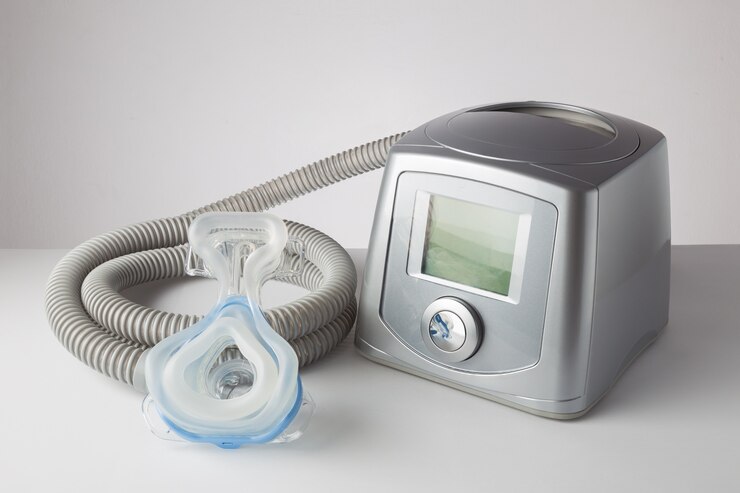
CPAP Equipment is the accessories that are an integral part of the CPAP therapy and essential components that fit with your CPAP machine.

These include,

  • CPAP Mask
  • CPAP Tube
  • CPAP Water Reservoir or Humidifier

The CPAP machine itself only requires the surface of the device to be wiped down but the equipment requires cleaning daily of weekly as they are likely to accumulate dirt, germs, bacteria and viruses.

Types of CPAP Cleaning Methods

  • Manual Cleaning with Soap and water
  • CPAP Cleaning Wipes
  • Ozone Cleaners*
  • UVC Cleaners. Lumin CPAP Sanitiser

1. Manual Cleaning

This process is suggested by the CPAP manufacturers.

It can be very effective if undertaken correctly BUT

  • Can be time consuming. Process can take between 40 minutes to over 1 hour.
  • Soap residues can remain.
  • If not dried completely can harbour more bacteria

CPAP Cleaning Supplies Required for Manual Cleaning

  • Mild soap, preferably unscented and without moisturizing ingredients
  • White vinegar (if you use a humidifier tank)
  • Warm, drinking-quality water
  • A sink, tub, or bucket large enough to hold your hose or tubing
  • A clean, non-abrasive towel
  • Drying rack

 CPAP Equipment Cleaning Steps

Disassemble:

  • Before you disassemble or clean any part of your CPAP machine, you should always double-check that it is unplugged from any power source. The air hose and tubing should be disconnected from both the mask and the CPAP machine before cleaning.
  • If you use a humidifier, you should also remove the water tank and set it aside.
  • Most CPAP masks consist of three parts — headgear, cushion, and frame — that can be separated for more effective cleaning and easier drying.

Clean:

  • Most tubing can be cleaned by washing it in warm, soapy water. The inside of the tubing must also be cleaned, so be sure to submerge it in the water for long enough that it fills up completely with the soapy water.
  • However, hoses with electrical components — such as heated hoses — must be cleaned more carefully. If you use a heated hose, double-check the manufacturer’s directions for more information on keeping it clean.
  • Each part of your mask should be washed separately with mild soap. The cushion and headgear are particularly prone to becoming stained with face or hair oils — since these can degrade the material and attract microbes, make sure they are oil-free before moving on.
  • Humidifier tanks can be cleaned by filling them with a solution of equal parts warm water and white vinegar. The tank can be left to soak while you clean the rest of your CPAP components, allowing the vinegar time to work.

Rinse and Air Dry: 

  • All CPAP components should be rinsed with cool, clean water after being washed. The components should be free of any soap, including soap film, so double-check that they are clean before leaving them to dry. This is particularly important for thin tubing, as it is easy to miss soap bubbles trapped inside them.
  • Once all of your components are rinsed and clean, you should set them out on a soft, clean towel to air-dry.
  • Hoses and tubing may dry better if hung up, so try hanging them from a shower rail or door if they do not air-dry properly on the towel.

Reassemble: 

  • You should only reassemble your mask and CPAP components once they are fully dry. Depending on the component and your climate, this may take several hours.
  • Reassembly should be done away from outlets and with the CPAP machine unplugged. Always remember to follow any assembly instructions from the manufacturer of your mask and CPAP machine.


2. CPAP Wipes

Available at most sleep dealers and through online retailers.  These are pre-moistened wipes which can safely remove oils, dead skin cells, and dust from your mask.

  • While these wipes are great options for cleaning your mask, they’re a bit harder to use on the water chamber — and
  • impossible to use when cleaning your tubing.
  • Even with the mask, it may not be easy to get into all the creases, crevices and folds and you need to use multiple wipes.

Remember, you should not use the same wipe to clean the whole mask as all you are doing is spreading the germs from one area to another Risk with wipes.   Wipes are also not ecologically friendly. wipes and the environment

3. Ozone Cleaners

Some cleaning devices use ozone gas to neutralize pathogens from parts.

  • They can be very effective. BUT only use those that are approved by regulatory bodies and be aware of manufacturer’s warranty conditions.
  • Unless completely sealed, these machines emit ozone into the air. A known environmental pollutant and a health irritant to those individuals who suffer from respiratory issues.
  • Generally, Ozone cleaners that have not been approved by the regulatory bodies in USA and Australia are more than likely to create the issues noted previously.
  • Ozone is highly toxic and tends to linger, which means you can only use an ozone cleaner hours before you go to bed. Otherwise, you risk inhaling the lingering ozone when you use your CPAP. This can worsen your breathing problems.
  • The two major manufacturers of CPAP now state that the CPAP warranty will be void if ozone cleaners are used. Manufactures Warranty

4. UVC (Ultra Violet Light C) Cleaners

UV light is often used in laboratory environments to sterilize equipment. UV-based cleaners such as Lumin apply this technology to your CPAP equipment.

YOU SHOULD ONLY USE UVC Cleaners that work at the optimum wavelength and TIME and must have been tested to be effective by independent credible testing laboratories.  Benefits of UVC Light

Lumin Sanitiser www.luminaustralia.com.au

  • When exposed to UVC light at 254nm, bacteria and viruses are disabled. Meaning you can more easily clean your sleep mask without needing to use soap and water.
  • Note that it must be of a specific wavelength for UVC light to clean equipment and operated for a particular duration.
  • In other words, you cannot neutralize your sleep mask by holding a regular fluorescent light over it.
  • Choose a UVC-based cleaner specifically designed for this purpose, such as the Lumin Sanitiser

10 Smart Ways Lumin Keeps Your CPAP & Household Devices Germ-Free

Whether you are a CPAP machine user for sleep apnea or other respiratory conditions or want to keep your daily use items germ-free, regularly cleaning with soap and water is quite time-constraining. If you use wipes, the chemicals layering these may leave a residue on your medical equipment or household items. The chemicals can even damage the surface of an item. So, it is best to stick with an advanced multipurpose sanitiser, like Lumin. 

Unlike conventional cleaning techniques, Lumin sanitises in just 5 minutes and kills around 99.9% viruses, bacteria, and fungi – without hassle. Hence, it is one of the most powerful and convenient cleaning tools to maintain hygiene. 

Here are 10 how Lumin can keep your CPAP accessories and household devices free of germs: 

  1. Clean CPAP Mask and Accessories

Lumin is an effective, FDA-approved CPAP cleaning machine for its various components, like masks, water chambers, and tubing. Put an item in its tray, close the lid, push on button, and wait for 5 minutes to complete the sanitisation cycle. You need no water, chemical, or soap to clean your device. Simply a push of a button is needed to keep an item completely germ-free. 

  1. Sanitise Remote Controls

At homes, remote controls are the highly touched items by various people. Yet, we rarely think of cleaning it. This makes them a notorious place for harbouring viruses, germs, and bacteria. But with Lumin, you can easily place your remote in for a quick cleaning cycle to kill germs. It is ideal for shared living spaces and families. 

  1. Disinfect Tablet and Phone Surfaces

Your smartphone and tablet are other commonly used items every day. Hence, they are likely to be the dirtiest too, as one hardly has time to clean their electronics every day. But with Lumin, you can conveniently clean your electronic devices. This advanced UV phone sanitiser helps in reducing the risk of diseases from frequent hand-to-face contact. 

  1. Sanitise Baby Items and Toys

Using this innovative UVC sanitiser, one can easily keep baby bottles, pacifiers, and teething rings free from germs. This makes it a vital device to maintain your baby’s health by keeping all regular use items germ-free without the use of chemicals or time-consuming water and soap cleaning. 

  1. Disinfect Dental Appliances and Toothbrushes 

It also helps in sanitising oral care tools effectively. These are often exposed to moisture, so prone to microbial buildup. And, one cannot clean them with harsh chemicals for obvious reasons.  This is where Lumin comes into play for the ultimate cleaning without any chemicals. 

  1. Clean Hearing Aids and Eyeglasses

Eyeglasses and hearing aids are quite delicate and not easy to wash. However, they tend to collect skin cells, oils, and dust regularly. So, put them in the Lumin tray for optimal cleanliness without any damage. 

  1. Clean Grooming Tools, like Razors and More

The regular grooming tools, like hair straighteners, razors, tweezers, etc., come to close skin and hair contact. So, these are a common breeding ground for bacteria and microbes if not cleaned regularly. Consider using Lumin for quick sanitisation within 5 minutes. 

  1. Sanitise Beauty Tools

Do you know, beauty tools, like makeup brushes, are also one of the common places to harbour bacteria and germs? That’s why these items also need regular cleanup for skin hygiene while extending their life. 

  1. Disinfect Wallets, Keys, and Daily Use Items

Your daily use items, like keys, wallets, ID cards, etc. are also exposed to numerous hands and surfaces in a day. That’s why you need to disinfect them daily using Lumin to avoid risk of infections. 

  1. Sanitise Respirators and Face Masks 

While many disposable masks in the market are single-use, reusable N95 respirators and fabric masks can be easily sanitised with Lumin. This makes it safe to reuse them during allergy season or in case of viral spread. 

How to Use Lumin Effectively?

Here are a few easy steps to follow for effective use of Lumin Multipurpose Sanitiser: 

  • Clean visible dirt: 

First, it’s best to clean any visible dirt or grime using a piece of cloth. 

  • Clean one item at a time: 

Avoid putting all items together. It is best to place one item at a time for proper cleaning from all sides. 

  • Consistent schedule: 

Maintain a daily or weekly sanitisation schedule for constant protection and hygiene maintenance of your everyday use items or CPAP accessories. 

Conclusion:

The Lumin Multipurpose Sanitiser is not just a CPAP cleaning device, it’s an all-purpose hygiene solution for household use. Within only five minutes in a day, it can eradicate the number of germs from the highly-touched items, as well as your CPAP accessories. Hence, it helps you keep your living space hygienic and your mind at ease. 

Whether you are suffering from sleep apnea or need a daily UV sanitisation solution, Lumin is your go-to choice. Explore the website to find out more in detail.

How Dirty CPAP Equipment Affects Your Health

Are you suffering from sleep apnea and rely on a CPAP (Continuous Positive Airway Pressure) device to manage this condition? While a CPAP machine is vital for you to improve your overall well-being, it can also become a breeding ground for harmful bacteria, germs, and pathogens if not cleaned from time to time. The moist warm air within the machine and its accessories makes the environment favourable for the growth of mould, bacteria, and viruses. 

Therefore, a direct CPAP device can slowly impact your health in various ways – from allergic reactions and respiratory conditions to skin irritations and sinusitis. Continue reading this blog to understand the risks of using an unclean CPAP device and how UVC sanitisation machines, like Lumin UV Sanitiser, can safeguard your health. 

How Dirty CPAP Machine Impacts Your Health? 

A CPAP device helps in enhancing the quality of your life and improving sleep. But if it remains dirty, it can lead to adverse reactions, like: 

  1. Allergic & Skin Reactions

Facial products, skin oils, and dust can build up over time on a CPAP mask and headgear. This can lead to skin irritation and also trigger certain allergic reactions, like congestion, sneezing, and itchy eyes. 

  1. Respiratory Conditions:

When CPAP hoses, masks, and humidifier chambers are uncleaned, they can be a breeding ground for mould and bacteria. Upon breathing these contaminants continuously, you can suffer from certain respiratory conditions, like sinus infections, bronchitis, or pneumonia – particularly in those with weak immunity. 

  1. Exposure to Mould

Mould is another harmful contaminant that may build up in a humidifier chamber. When you constantly inhale mould spores, it can cause conditions, like breathing issues, asthma, and other long-term respiratory problems. 

  1. Degraded Quality of CPAP Machine

Due to uncleaned CPAP components, the overall performance and quality of your CPAP device can begin to degrade. This further leads to premature wearing and tearing, which can cost you more for replacements. 

Regular CPAP Cleaning 

To maintain the effectiveness of your CPAP therapy, you need to consistently clean your CPAP machine. Unlike traditional cleaning techniques, like water and soap, they are quite time-consuming and also inconsistent. But thanks to advanced CPAP cleaning machines, like Lumin UVC Multipurpose Sanitiser, you can keep your device clean and germ-free without any harsh chemicals or liquids. 

What is UVC Sanitisation? 

UVC sanitisation is a technique that makes the most of ultraviolet (UV) light at 254 nm wavelength that can destroy the DNA and RNA of bacteria, viruses, and fungi, leaving them inactive. It is an efficient yet safe technology that’s been used in hospitals and labs for ages. Now, this advanced UVC technology is also available for home usage in the form of a compact device.   

UVC light helps disinfect your personal care items without the need for harsh chemicals, moisture, or ozone. This makes it a great solution for cleaning delicate devices, like CPAP masks and tubing.   

Lumin UV Sanitiser for Home Usage 

Looking for a reliable, easy-to-use advanced CPAP cleaning machine? Lumin UV Sanitiser is the right choice! It is an innovative, compact device that sanitises not just the CPAP accessories but also other daily-use items, due to its multipurpose design. 

The following features make it a game-changer for you: 

  • UV-C Light Technology:

Thanks to UVC light integration, operating at 245 nm wavelength, it can kill up to 99.9% mold, bacteria, and viruses – without any harmful ozone gases or harmful chemicals. So, you can keep CPAP equipment and other personal use items clean and germ-free. 

  • No Odour or Residue:

Unlike soapy water or ozone-based cleaning devices, Lumin doesn’t leave any residue or odour. So, your sanitised items come out clean, fresh, and ready to use – without any unpleasant smell. 

  • 5-Minute Cleaning Cycle:

Lumin can quickly sanitise your CPAP accessories and personal use items within 5 minutes. Due to its short cleaning cycle, it can disinfect an item from all angles – providing you peace of mind without any hassle.

  • Multipurpose Use

Besides cleaning CPAP devices, Lumin also doubles as your UV phone sanitiser. You can even use it to sanitising other items, like toothbrushes, cards, car keys, remote controls, hearing aids, and even baby pacifiers. Hence, it’s the ultimate solution for sanitising your household items with ease. 

How to Use Lumin UV Sanitiser 

Here’s how you can easily use Lumin UV sanitiser to keep your accessories germ-free: 

  •  Open its sliding tray and keep an item inside for sanitising.  
  • Close the tray and press the ON button to start the 5-minute cycle.
  • Wait until the light turns off and your device is completely sanitised.

That’s it! Your germ-free device is not ready for use. 

Conclusion: 

If you neglect cleaning your CPAP machine, it can be harmful to your health. But due to the revolutionary UCV sanitisation, you can easily keep your CPAP accessories and other personal use items clean and germ-free. Thanks to Lumin UV Sanitiser, you can quickly clean your device in a chemical-free way. 

All set to upgrade your hygiene game? Choose Lumin to offer peace of mind in only 5 minutes – whether you want to sanitise a CPAP accessory, smartphone, or any other personal use item.

Why the UVC Sanitiser Is a Must-Have for Healthcare Professionals and Patients?

Healthcare is a high-stakes world, where cleanliness is not just for aesthetics but vital to minimize risks of contamination. Whether you are a patient suffering from sleep apnea or any other chronic condition or a healthcare professional managing patients, it’s critical to keep medical accessories and personal devices germ-free.

That’s where you require an advanced UVC sanitisation device, like Lumin Multipurpose Sanitiser, to eradicate viruses and bacteria without using any harsh chemicals. Hence, it is a must-have tool for both patients and healthcare professionals alike.

Role of UVC Sanitiser in Hospitals

Leveraging ultraviolet light at a wavelength of 254 nm, Lumin UVC santiser can kill up to 99.9% viruses, bacteria, and pathogens. This same technology is used in hospitals and laboratories to sterilise the operation theatres, labs, and isolation rooms without using any harmful chemicals. 

Since UVC light can penetrate deep into the microbial cell walls, it disrupts DNA of microbes to kill them. In an era where virus outbreaks are highly increasing, sanitisation is crucial. And, UVC provides a faster, safer, and more reliable alternative compared to chemical-loaded disinfectants. 

Importance of UVC Machines in Healthcare

Healthcare professionals constantly work in an environment highly exposed to pathogens and germs. From touching medical instruments and digital devices, like tablets or phones, to handling patients, there is high risk of cross contamination.

Meanwhile, various patients – particularly those using CPAP machines – need to maintain proper hygiene to prevent unwanted infections while improving treatment efficacy. If CPAP masks and accessories, like tubing, are not cleaned properly, it can cause skin irritations or respiratory infections. 

Here Enters Lumin Multipurpose Sanitiser

Lumin Multipurpose Sanitiser is a game-changing device that’s compact yet effective for patients and healthcare professionals. Despite its portable and compact size, Lumin can eradicate germs and microbes within a 5-minute sanitisation cycle. 

Here’s how it works:

  • Open the tray of Lumin and place an item inside.
  • Close the tray and press the start button.
  • Wait for 5 minutes to sanitise your item, making it ready for safe use.

Due to ease of use, it’s ideal for busy medical care providers and patients seeking hassle-free solutions. 

What Can Lumin Sanitise?

Although Lumin is not for large-scale sanitisation, stethoscopes, or hospital beds, its compact design makes it ideal for high-touch and personal use items, like:   

  • CPAP masks and accessories:

It is one of the major critical applications for those suffering from sleep apnea. Lumin offers a reliable alternative to chemical wipes or soap and water cleaning. 

  • Small tools and dental accessories:

Perfect for dentists and other healthcare professionals who use reusable, compact devices. 

  • Smartphones:

Medical care professionals often touch their smartphones during shifts. Lumin works as a premium UV phone sanitiser, keeping gadgets germ-free without any harmful impact to the screens.

  • Hearing aids and remote controls:

These are also commonly handled items by patients in hospitals in their wards or rooms. 

  • Car keys, jewellery, and glasses:

Other bacteria or germs carrying items in hospital rooms can be car keys, glasses, and jewellery. So, Lumin helps in sanitising these for clean and safe use.   

Why Do Every Healthcare Professionals Need Lumin? 

  1. Time Efficiency

Manual cleaning and sanitising wipes are time consuming and also don’t kill all pathogens. But Lumin completely eradicates 99.9% bacteria and pathogens within just 5 minutes while saving time even during busy shifts. 

  1. Chemical-Free Safety

Generally, hospitals depend on strong disinfectants, like isopropyl alcohol for cleaning surfaces. But this harsh chemical can adversely impact one’s skin and inhaling its chemical vapours is also not safe. Since Lumin doesn’t use any harsh chemicals or liquids, it is a much safer option for those in healthcare environments.   

  1. Compact Design

In healthcare, space is important to keep essential equipment around. Due to the compact size of Lumin, it can easily fit on a desk or nurse’s station without taking up any valuable space.  So, incorporating it into a busy healthcare environment won’t be an issue. 

  1. Reliable Results

Unlike manual cleaning techniques that can miss certain areas or leave residues, UVC sanitiser offers reliable and consistent results each time.   

Why Patients Need Lumin at Home?

For patients using CPAP devices, Lumin is vital for daily or weekly cleaning of CPAP accessories. CPAP tubing and masks are a breeding ground for mould or germs due to moisture buildup. But Lumin is a dedicated CPAP cleaning machine to target germs or bacteria easily with its clinical-grade UVC technology. 

Since it can also clean other personal use items, like glasses, remote control, baby toys, cards, etc., it is a multipurpose investment for your home hygiene. 

Why Lumin Stands Out from Other Sanitiser? 

Being FDA-registered, Lumin is created after rigorous testing to ensure effective germicidal action. Its user-friendly interface is another major factor that makes it work easily with a push of a button – without even the hassle of finding apps, Bluetooth connection, or Wi-Fi connectivity.

 Take Away

In today’s modern, health-conscious era, devices, like Lumin Multipurpose Sanitiser, have become an essential. Whether you are a patient or medical care provider, Lumin UVC sanitiser can perfectly fit into your routine for effortless cleanliness and hygiene. Invest in this compact yet effective UV sanitisation device and change the way you maintain hygiene and safety in a healthcare environment.